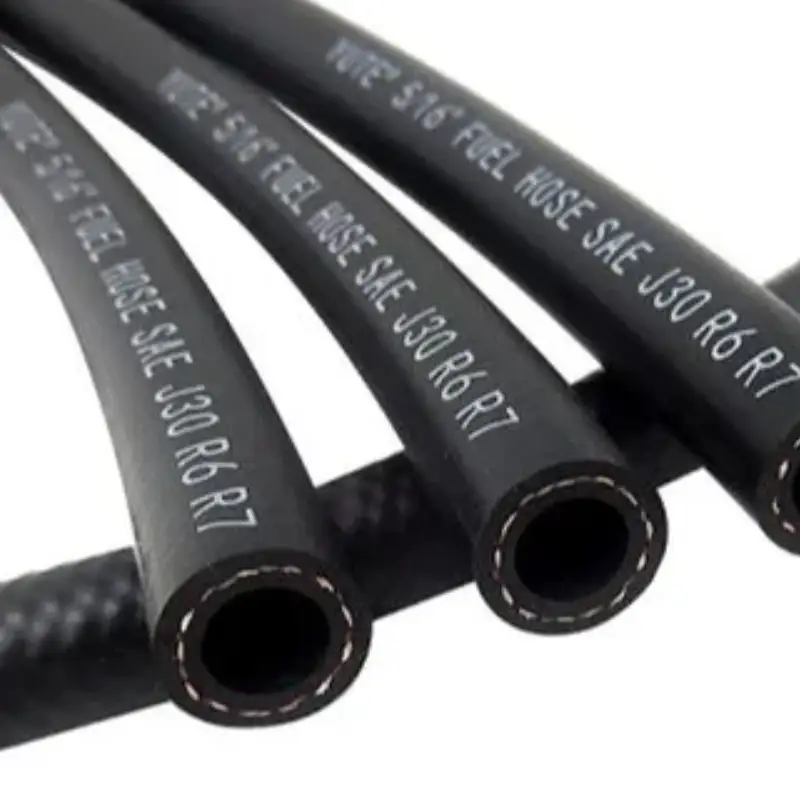
High pressure hose failures can be reduced through regular inspection, correct installation, pressure monitoring, and timely replacement. Studies from industrial maintenance programs show that abrasion, incorrect routing, temperature exposure, and aging contribute to more than 70% of hose-related failures. A planned inspection process every 3–6 months, combined with proper hose selection and operating records, can lower unexpected hydraulic downtime by 30–50%.
High pressure hoses are used in construction equipment, mining machinery, agricultural machines, aerospace systems, and industrial production lines where hydraulic pressure often reaches 3,000–6,000 psi. These hoses must handle repeated pressure cycles, vibration, temperature changes, and mechanical movement while maintaining fluid containment.
A hydraulic hose failure usually starts with small changes that are easy to miss during daily operation. Surface cracks, cover damage, loose fittings, and unusual bending can appear weeks or months before a complete rupture occurs. In a maintenance survey involving industrial hydraulic systems, approximately 65% of reported hose problems were related to installation conditions and external damage rather than manufacturing defects.
Regular inspection allows technicians to identify physical changes before they affect pressure performance.
The first inspection step is checking the outer cover of the hose. The cover protects the internal reinforcement layers from moisture, chemicals, impact, and abrasion. Cuts, cracks, blisters, swelling, and exposed wire layers indicate that the hose structure has been weakened.
A damaged cover does not always cause immediate failure, but continued operation can reduce the pressure resistance of the hose. Laboratory testing has shown that repeated abrasion cycles can reduce hose service life by more than 40% compared with hoses operating under protected conditions.
Common external inspection points include:
| Inspection Area | Condition to Check | Possible Result |
|---|---|---|
| Hose cover | Cracks, cuts, worn areas | Reduced protection of reinforcement |
| Fittings | Corrosion, looseness, leakage | Connection failure |
| Hose shape | Flattening, twisting, swelling | Internal structural damage |
| Routing path | Contact with sharp edges or heat sources | Accelerated wear |
After external inspection, the next step is checking installation quality. Many hydraulic hose problems are caused by incorrect routing, excessive bending, or improper length selection.
A hose installed with a bend radius below the manufacturer’s recommendation experiences higher stress on reinforcement wires. During repeated pressure cycles, this stress can create fatigue damage. Research from hydraulic component testing in 2021 showed that hoses repeatedly bent below their rated radius failed significantly earlier than correctly installed samples.
A proper installation should follow several basic requirements:
-
Keep hoses away from sharp metal edges and moving machine parts.
-
Maintain the recommended minimum bend radius.
-
Avoid twisting during installation.
-
Use suitable clamps to prevent unnecessary movement.
-
Select hose length according to equipment movement requirements.
Correct installation improves hose durability, but operating conditions also determine service performance. Pressure, temperature, and fluid compatibility directly affect the material condition of the hose.
Hydraulic hoses are designed for specific pressure ranges. A hose rated for a working pressure of 5,000 psi should not be used in systems where pressure spikes exceed its rated capacity. Pressure surges caused by sudden valve changes or pump operation may temporarily rise above normal working pressure.
In many industrial systems, pressure spikes can reach 1.5–2 times the normal operating pressure. Selecting a hose only according to average pressure can result in early damage.
Temperature is another factor affecting hose condition. Most hydraulic hoses are designed to operate within a specific temperature range, often between -40°C and 100°C depending on construction materials. Continuous exposure above the recommended limit accelerates rubber aging and reduces flexibility.
A heavy duty hydraulic hose is commonly selected for applications where equipment operates under high mechanical stress, frequent movement, and demanding pressure conditions. These hoses are often used in construction vehicles, industrial machinery, and heavy equipment where standard hoses may not provide enough durability.
Fluid compatibility should also be checked during maintenance. Different hydraulic fluids contain chemical additives that may affect hose materials. A hose designed for petroleum-based oil may not perform correctly with certain synthetic fluids or special industrial chemicals.
A maintenance inspection should include:
| Maintenance Item | Recommended Frequency |
|---|---|
| Visual hose inspection | Before daily equipment use |
| Detailed condition check | Every 3–6 months |
| Pressure system review | During scheduled maintenance |
| Hose replacement assessment | According to service hours and condition |
Leak inspection requires safe procedures because high pressure hydraulic fluid can penetrate skin. A small leak from a damaged hose may appear as a fine stream that is difficult to see.
Workers should never use their hands to locate hydraulic leaks. A piece of cardboard or suitable inspection equipment should be used instead. Hydraulic injection injuries require immediate medical attention because fluid can enter deep tissue even when the external wound appears small.
Maintenance records help companies identify repeated hose problems. Important information includes installation date, hose type, operating pressure, replacement history, and inspection results.
For equipment used daily, recording service information can improve replacement planning. Companies that use digital maintenance systems often combine operating hours and inspection data to schedule replacement before failure occurs. In some industries, hoses are replaced after 3–5 years of service even when visible damage is limited because internal material aging cannot always be detected externally.
Contamination control also affects hose reliability. Dirt and particles entering hydraulic connections may damage valves, pumps, and hose inner tubes. During hose replacement, fittings should be cleaned, connection points protected, and sealing components checked.
Hydraulic system studies have reported that contamination contributes to approximately 60–80% of hydraulic equipment reliability problems. Maintaining clean connections reduces unnecessary wear throughout the entire system.
A clean installation process protects both the hose and the hydraulic components connected to it.
Technicians should also pay attention to hose movement during equipment operation. Mobile machinery creates repeated bending and vibration, which can gradually weaken reinforcement layers.
Examples include excavators, loaders, cranes, and agricultural machines where hoses move thousands of times during operation. A hose that looks acceptable while the machine is stopped may experience excessive stress when the equipment arm, steering system, or hydraulic cylinder moves.
Training is another important part of hose maintenance. Operators should understand basic inspection methods and recognize signs such as oil stains, unusual hose movement, or changes in surface condition.
According to workplace safety programs, regular operator training can reduce equipment-related incidents by around 25–30% because early problems are reported before larger failures occur.
A reliable hose maintenance process includes:
-
Inspecting the hose surface regularly.
-
Checking fittings and connections.
-
Monitoring pressure and temperature conditions.
-
Recording replacement and inspection information.
-
Replacing hoses with serious damage immediately.
-
Following manufacturer installation requirements.
Hydraulic hoses are pressure components that require the same level of attention as pumps, valves, and cylinders. Proper inspection and maintenance reduce unexpected failures, improve equipment availability, and support safer operation in demanding industrial environments.